


Revolution in der Bildung: Intelligente Chatbots und KI-Assistenten personalisieren Unterricht

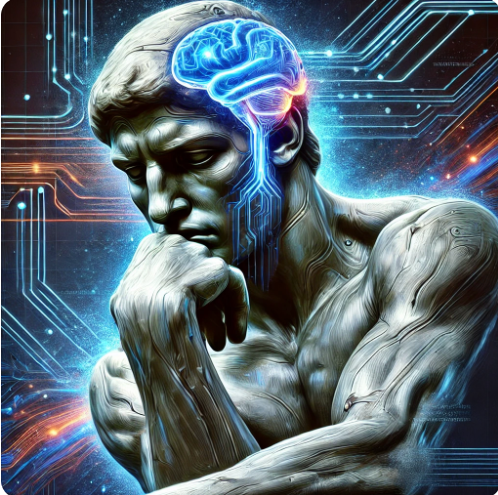
Transforming Education with Chatbots, AI Assistants in Personalized Learning
In today’s rapidly evolving educational landscape, the integration of innovative digital tools has paved the way for a transformative learning experience. Chatbots, AI Assistants in Personalized Learning have emerged as powerful allies in modern classrooms, enabling a shift from one-size-fits-all instruction to tailored educational experiences that meet individual student needs. These intelligent systems are designed not only to provide immediate support and tutoring assistance but also to foster an engaging environment where learners can explore complex concepts at their own pace. By leveraging advanced natural language processing and adaptive learning algorithms, these digital assistants can answer questions, clarify difficult topics, and even suggest personalized strategies to strengthen understanding. Educators are discovering that these tools can significantly reduce administrative burdens, allowing them to devote more time to creative, high-impact teaching practices, while students benefit from constant, on-demand academic support. The seamless integration of such AI-driven solutions into everyday learning scenarios underscores a commitment to innovation and inclusivity, ensuring that every learner has access to the right resources at the right time. Moreover, by continuously analyzing data from student interactions, chatbots can identify learning gaps and recommend targeted interventions. This dynamic feedback system helps in refining lesson plans and driving better learning outcomes. As various research initiatives continue to evaluate these systems, early results indicate promising improvements in academic performance, engagement, and overall satisfaction. The challenge remains to balance technology with traditional mentoring, ensuring that while chatbots contribute analytical insights and instant assistance, they complement rather than replace the empathetic guidance of human instructors. In this context, effective use of Chatbots, AI Assistants in Personalized Learning calls for a collaborative approach where educators, technologists, and policymakers work together to set robust ethical standards, maintain data privacy, and continuously update training models to reflect the latest educational needs.
Chatbots , AI Assistants in Personalized Learning-agileful
Chatbots , AI Assistants in Personalized Learning-agileful
Chatbots , AI Assistants in Personalized Learning-agileful

Revolution in der Bildung: Intelligente Chatbots und KI-Assistenten personalisieren Unterricht
Einführung in Chatbots , AI Assistants in Personalized Learning
Die Integration von Chatbots , AI Assistants in Personalized Learning revolutioniert das Bildungssystem, indem sie individuelle Lernpfade und maßgeschneiderte Unterstützung bieten. Innovative Technologien ermöglichen es, Lerninhalte dynamisch anzupassen und so den unterschiedlichen Bedürfnissen der Schülerinnen und Schüler gerecht zu werden. Diese Systeme nutzen fortgeschrittene Algorithmen zur natürlichen Sprachverarbeitung, um in Echtzeit präzise Antworten und Hilfestellungen zu liefern.
Vorteile der personalisierten Unterstützung für Lernende
Chatbots , AI Assistants in Personalized Learning bieten Studierenden eine flexible und sofortige Unterstützung bei Hausaufgaben, beim Üben komplexer Themen und bei der Vorbereitung auf Prüfungen. Durch den Einsatz solcher Tools können individuelle Lernlücken erkannt und gezielt geschlossen werden, wodurch die Motivation und das Engagement der Lernenden gesteigert werden. Die kontinuierliche Analyse von Interaktionen ermöglicht zudem eine stetige Verbesserung der Lehrmethoden.
Zeitersparnis und didaktische Unterstützung für Lehrkräfte
Lehrkräfte profitieren von Chatbots , AI Assistants in Personalized Learning, indem sie administrative Aufgaben automatisieren und mehr Zeit für pädagogische Kernaufgaben gewinnen. Routinetätigkeiten wie das Beantworten wiederkehrender Fragen und das Erstellen von Prüfungsfragen können effizient delegiert werden. Diese Entlastung erlaubt es den Pädagogen, sich intensiver auf die individuelle Förderung und kreative Unterrichtsgestaltung zu konzentrieren.
Anpassungsfähige Lernalgorithmen und interaktive Nutzererfahrung
Die moderne Lerntechnologie basiert auf adaptiven Algorithmen, die es Chatbots , AI Assistants in Personalized Learning ermöglichen, den Lernfortschritt detailliert zu analysieren. Anhand von Nutzerdaten passen sie Inhalte und Lernstrategien an, um optimale Lernergebnisse zu gewährleisten. Dadurch entsteht ein interaktives und personalisiertes Bildungserlebnis, welches den individuellen Lernrhythmus respektiert und fördert.
Systematische Literaturübersichten und Forschungsergebnisse
Aktuelle wissenschaftliche Studien belegen, dass Chatbots , AI Assistants in Personalized Learning signifikante Verbesserungen in der Wissensvermittlung erzielen können. Systematische Literaturübersichten zeigen, dass die Nutzung digitaler Assistenten sowohl die Leistung als auch das Verständnis komplexer Themen steigert. Die Forschung fokussiert zunehmend auf die Evaluierung von Nutzererfahrungen und qualitativen Lernergebnissen, um diese Technologien weiter zu optimieren.
Zukünftige technologische Entwicklungen und Perspektiven
Mit dem rasanten Fortschritt in der künstlichen Intelligenz stehen Chatbots , AI Assistants in Personalized Learning vor kontinuierlichen Innovationen. Zukünftige Entwicklungen könnten eine noch nahtlosere Integration in den Unterricht ermöglichen und das Potenzial haben, innovative Lernumgebungen zu schaffen. Insbesondere die Kombination von Spracherkennung und emotionaler Intelligenz verspricht, die Interaktion zwischen Mensch und Maschine weiter zu verfeinern.
Chancen und Herausforderungen bei der Implementierung
Die Einführung von Chatbots , AI Assistants in Personalized Learning bietet zahlreiche Chancen, stellt Bildungseinrichtungen aber auch vor Herausforderungen. Während die personalisierte Unterstützung und unmittelbare Rückmeldungen für die Lernenden vorteilhaft sind, müssen Aspekte wie Systemzuverlässigkeit und technischer Support sorgfältig adressiert werden. Schulen und Hochschulen müssen daher in die Schulung ihrer Lehrkräfte investieren und klare Nutzungsrichtlinien entwickeln.
Ethische Überlegungen und Datenschutz in der Bildungstechnologie
Bei der Integration von Chatbots , AI Assistants in Personalized Learning stehen nicht nur technische, sondern auch ethische Fragestellungen im Vordergrund. Der verantwortungsvolle Umgang mit sensiblen Lerndaten, die Gewährleistung von Datenschutz und die Sicherstellung der Neutralität der Inhalte sind zentrale Herausforderungen. Transparenz und klare Richtlinien helfen dabei, das Vertrauen von Lernenden und Lehrkräften in diese Technologien zu stärken.
Ausblick: Die Zukunft von Chatbots , AI Assistants in Personalized Learning
Die fortschreitende Digitalisierung und die Weiterentwicklung von KI-Systemen lassen eine vielversprechende Zukunft für Chatbots , AI Assistants in Personalized Learning erwarten. Bildungseinrichtungen, unterstützt durch agileful, können innovative Lernumgebungen schaffen, die auf den individuellen Bedarf der Lernenden zugeschnitten sind. Der kontinuierliche Dialog zwischen Entwicklern, Pädagogen und politischen Entscheidungsträgern wird entscheidend sein, um diese Technologien nachhaltig und ethisch verantwortlich zu integrieren.

Revolution in der Bildung: Intelligente Chatbots und KI-Assistenten personalisieren Unterricht
FAQ
- What role do AI chatbots play in education?
- AI chatbots facilitate interactive learning by providing immediate answers, personalized guidance, and diverse learning resources that support both students and educators.
- How do AI chatbots support personalized learning?
- Chatbots analyze user interactions and adapt content to individual learning needs, offering tailored explanations and dynamic learning paths for improved understanding.
- How do chatbots assist with homework and study?
- By providing step-by-step guidance, explanations, and feedback, chatbots help students tackle homework problems, reinforce concepts, and prepare effectively for exams.
- What benefits do students gain from using AI chatbots?
- Students enjoy flexible support, personalized assistance, and immediate feedback, which contribute to enhanced motivation, improved understanding, and skill development.
- What advantages do educators experience with AI chatbots?
- Educators benefit from administrative support, time savings, and the ability to generate customized learning materials, allowing them to focus on core teaching and creative instruction.
- How do chatbots improve teaching efficiency?
- By automating routine tasks such as answering common questions and grading, AI chatbots free up valuable time for teachers to concentrate on individualized student support and innovative lesson planning.
- What are the limitations of current AI chatbots in education?
- Despite their benefits, chatbots can sometimes provide inaccurate responses and face challenges with content reliability, requiring ongoing improvements and careful oversight.
- How are ethical concerns addressed when using AI chatbots?
- Ethical concerns such as data privacy, transparency, and responsible content delivery are managed through strict guidelines and continuous review of the chatbot’s operations.
- How is data security maintained during chatbot interactions?
- Robust data protection measures are implemented to ensure that sensitive information is securely handled, while transparency in data usage builds trust among users.
- What challenges exist in implementing chatbots within educational systems?
- Key challenges include integrating with existing systems, ensuring content accuracy, providing adequate technical support, and training educators to effectively use the technology.
- How do chatbots enhance student engagement?
- Their interactive and conversational approach creates an engaging learning environment by offering real-time feedback and personalized communication.
- In what ways do AI chatbots support teacher administrative tasks?
- Chatbots take over routine administrative tasks such as scheduling and responding to frequently asked questions, thereby allowing teachers to dedicate more time to instructional responsibilities.
- What research supports the benefits of chatbots in education?
- Systematic reviews and empirical studies have demonstrated improved learning outcomes, increased student engagement, and efficiency in classroom management through the use of AI chatbots.
- How do chatbots adapt to individual learner needs?
- By continuously analyzing interactions, chatbots modify their responses and recommendations to align with the learner’s pace, understanding, and specific academic requirements.
- What future developments are expected for AI chatbots in education?
- Advancements in natural language processing and machine learning are expected to make chatbots even more intuitive, with capabilities such as voice recognition, emotional intelligence, and deeper contextual understanding.
- How do chatbots contribute to overall improved learning outcomes?
- By offering personalized support, immediate feedback, and interactive learning experiences, chatbots help to reinforce concepts, encourage critical thinking, and boost academic performance.
